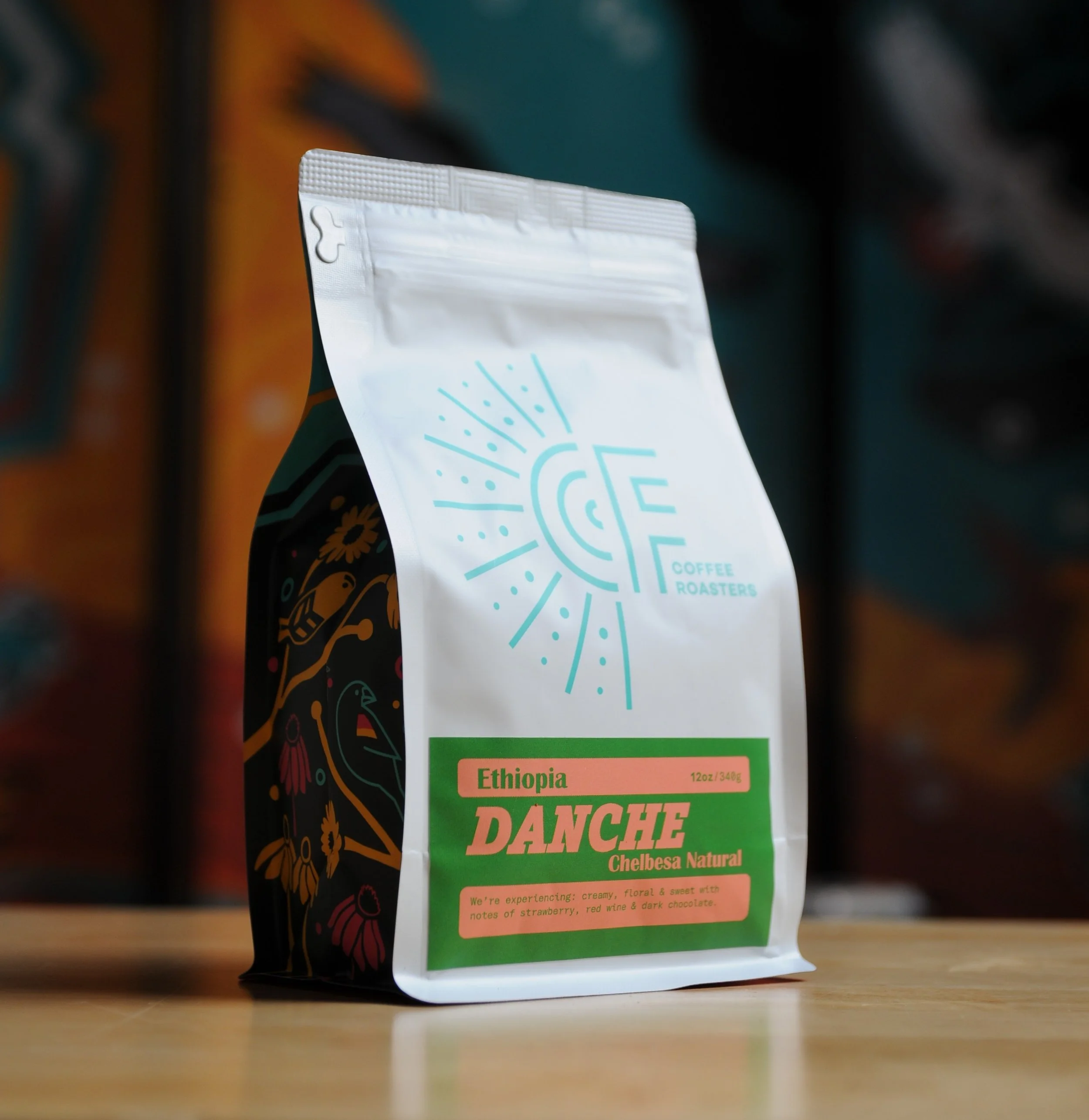
Danche
Ethiopia
Danche
Ethiopia
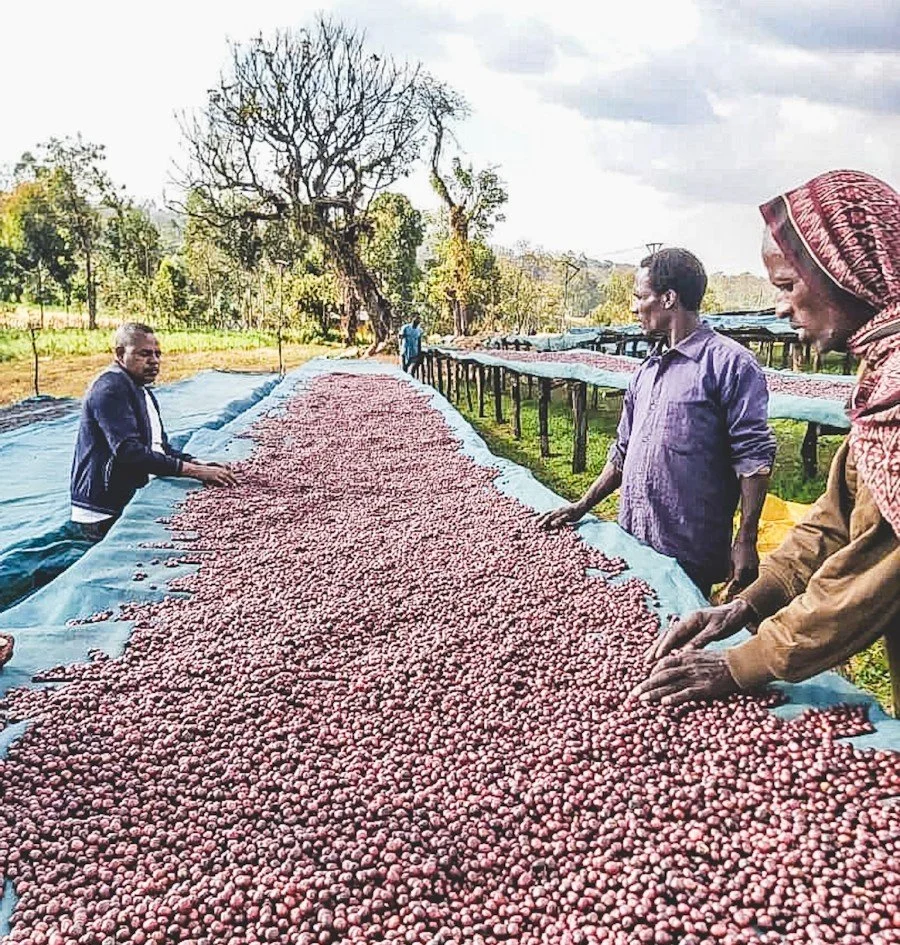
photo courtesy of The Coffee Quest
We’re experiencing: creamy, floral & sweet with notes of strawberry, red wine & dark chocolate.
Producer: appx 800 farmers & SNAP Specialty Coffee
Location: Gedeb Zone, 2200masl
Genetic Varieties: Heirloom-Kurume & Wolisho
Process: Natural
Importing Partner: The Coffee Quest
The Danche Station is managed by SNAP Specialty Coffee. Once cherries have arrived at the station, they are placed in water for sorting and removing floaters. The whole cherry is left to dry-ferment in tanks for 3 days and later placed in raised beds to sun-dry. The cherries are constantly moved each day, taking 16-21 days to fully dry.
Fugi Kiyonza Hill
Rwanda
Fugi Kiyonza Hill
Rwanda
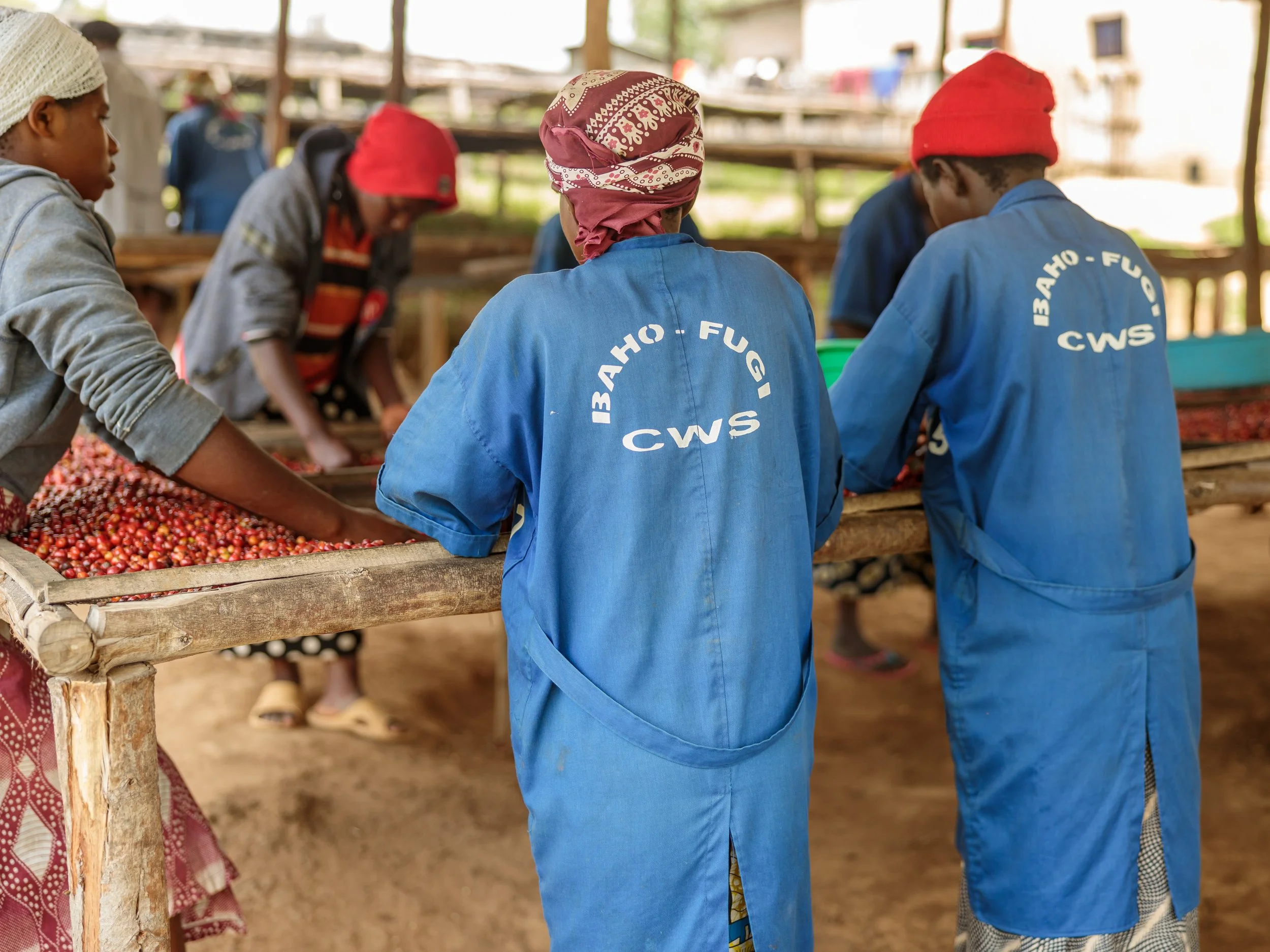
photo courtesy of Sundog Trading
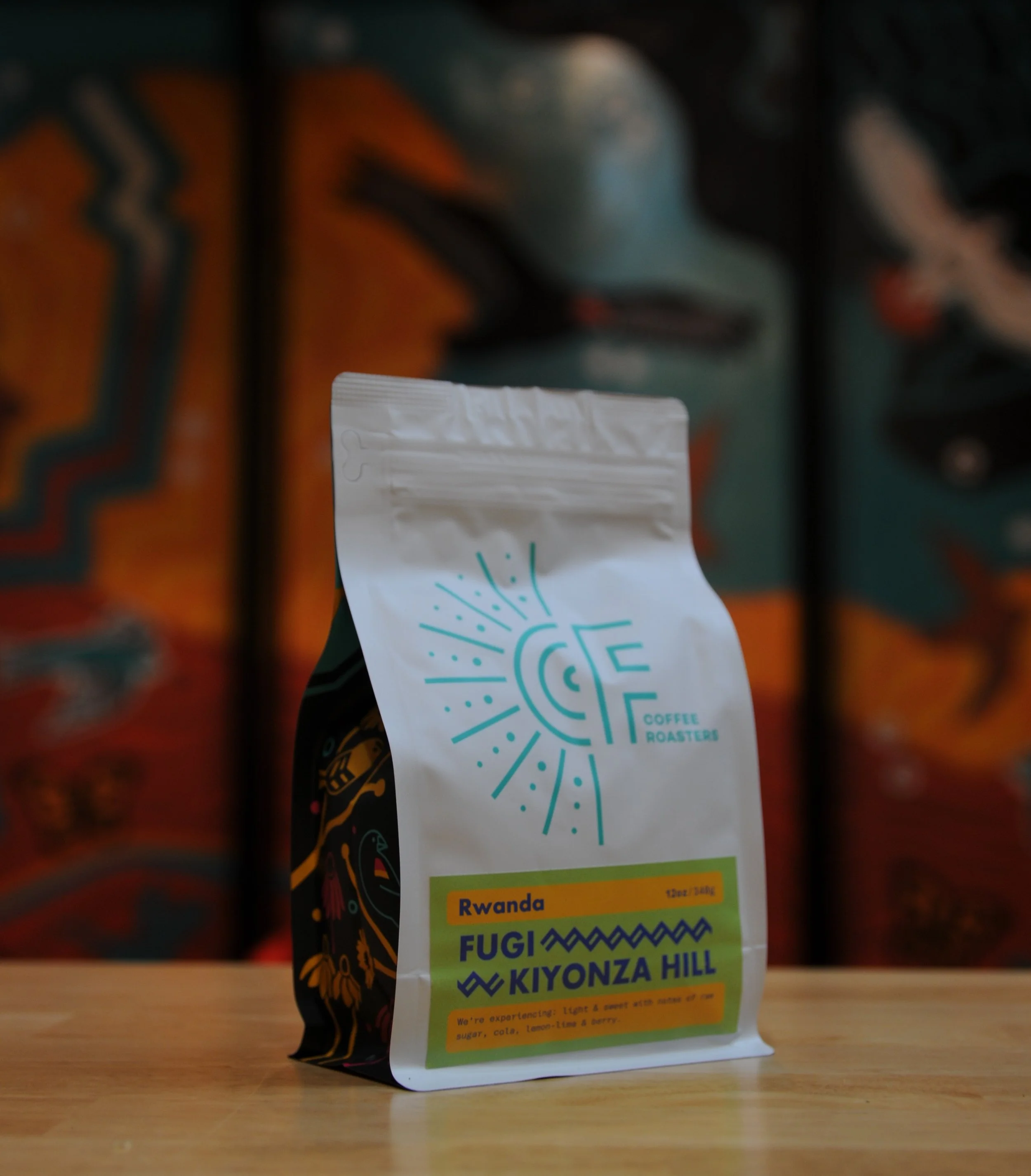
We’re experiencing: light & sweet with notes of raw sugar, lemon-lime, cola & berry.
Producer: 60 Smallholders, Baho Coffee
Location: Fugi Station Ngoma Sector, Nyaruguru District, Southern Province, 1800-2000masl
Genetic Varieties: Red Bourbon
Process: Washed
Importing Partner: Sundog Trading
Fugi Station is nestled between the Nyungwe National Forest and the border of Burundi, and in recent years has transformed into Baho’s hub for innovation. This Kiyonza Hill lot is a part of Baho’s ongoing appellation project surrounding the Fugi Station. They’re focusing on smaller lot separations by processing groups of farmers’ coffee together based on the highest quality growing areas. The hills are often chosen based on altitude, which tends to correlate to a distinct vibrancy and saturation of flavor.
Cafe Ticuna
Colombia
Cafe Ticuna
Colombia
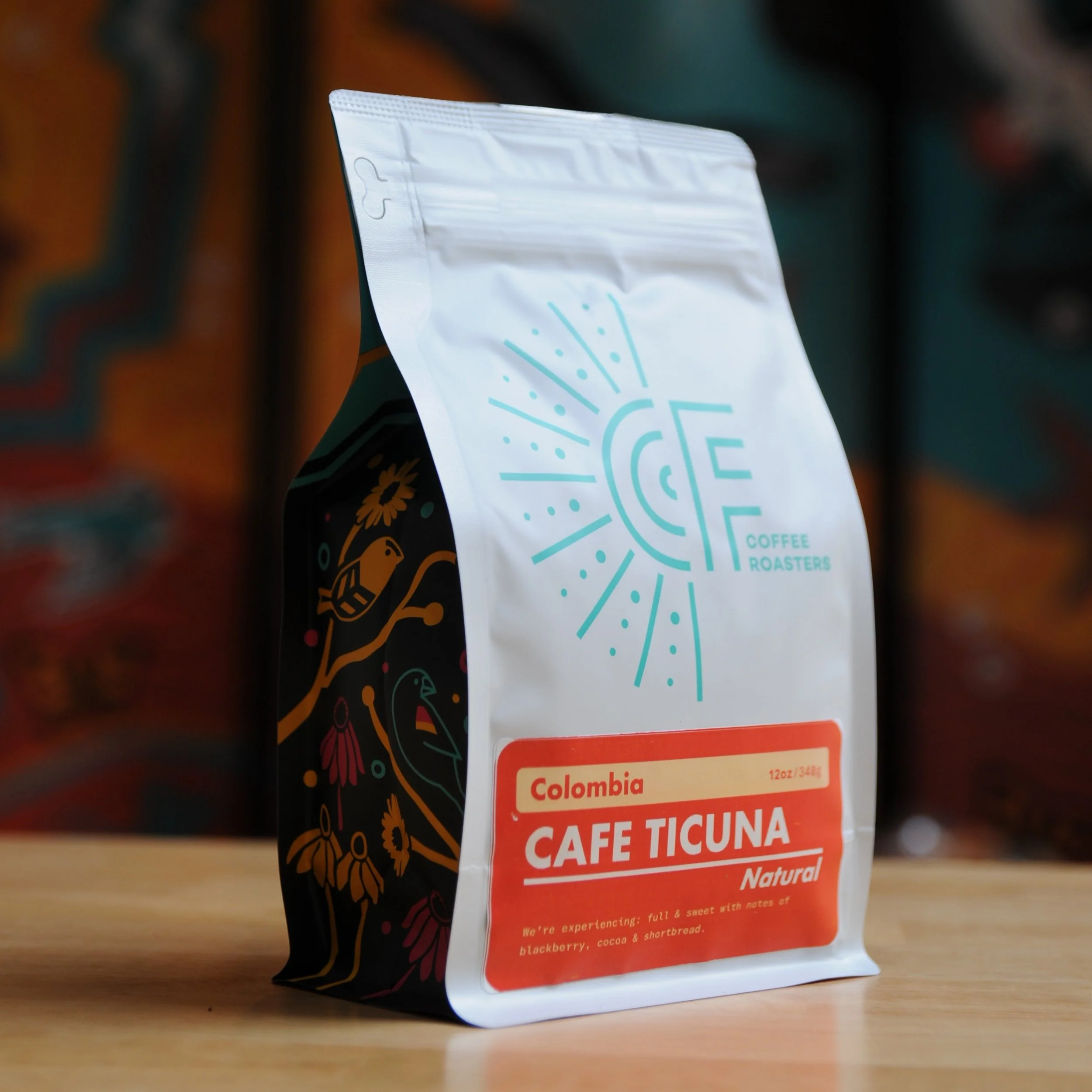
We’re experiencing: full & sweet with notes of blackberry, cocoa & shortbread.
Producer: Jose Ladir Losada & Kyle Bellinger
Location: Picuma, Suaza, 1450-1600masl
Genetic Varieties: Castillo
Process: Natural
Importing Partner: Osito Coffee
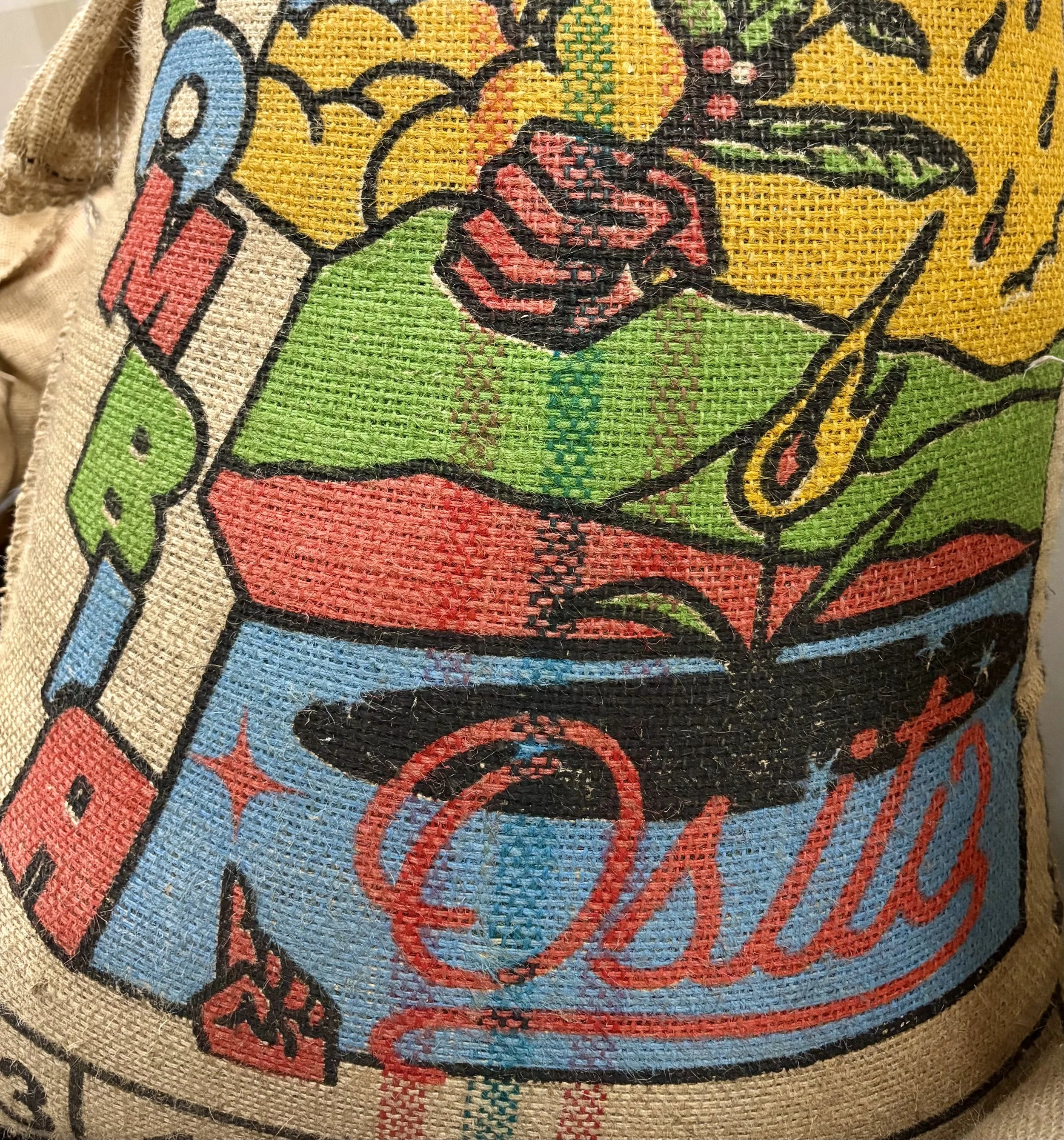
Finca El Mirador is owned and operated by Osito founders, Jose Jadir Losada and Kyle Bellinger. El Mirador is situated in the village of Picuma, just west of the beautiful Rio Suaza. When Kyle and Jose began their partnership at El Mirador, the farm was 11.7 hectares. Since then the farm has just about doubled to 23 hectares. The village of Picuma is special to the Osito family because Jose grew up there.—from Osito Coffee
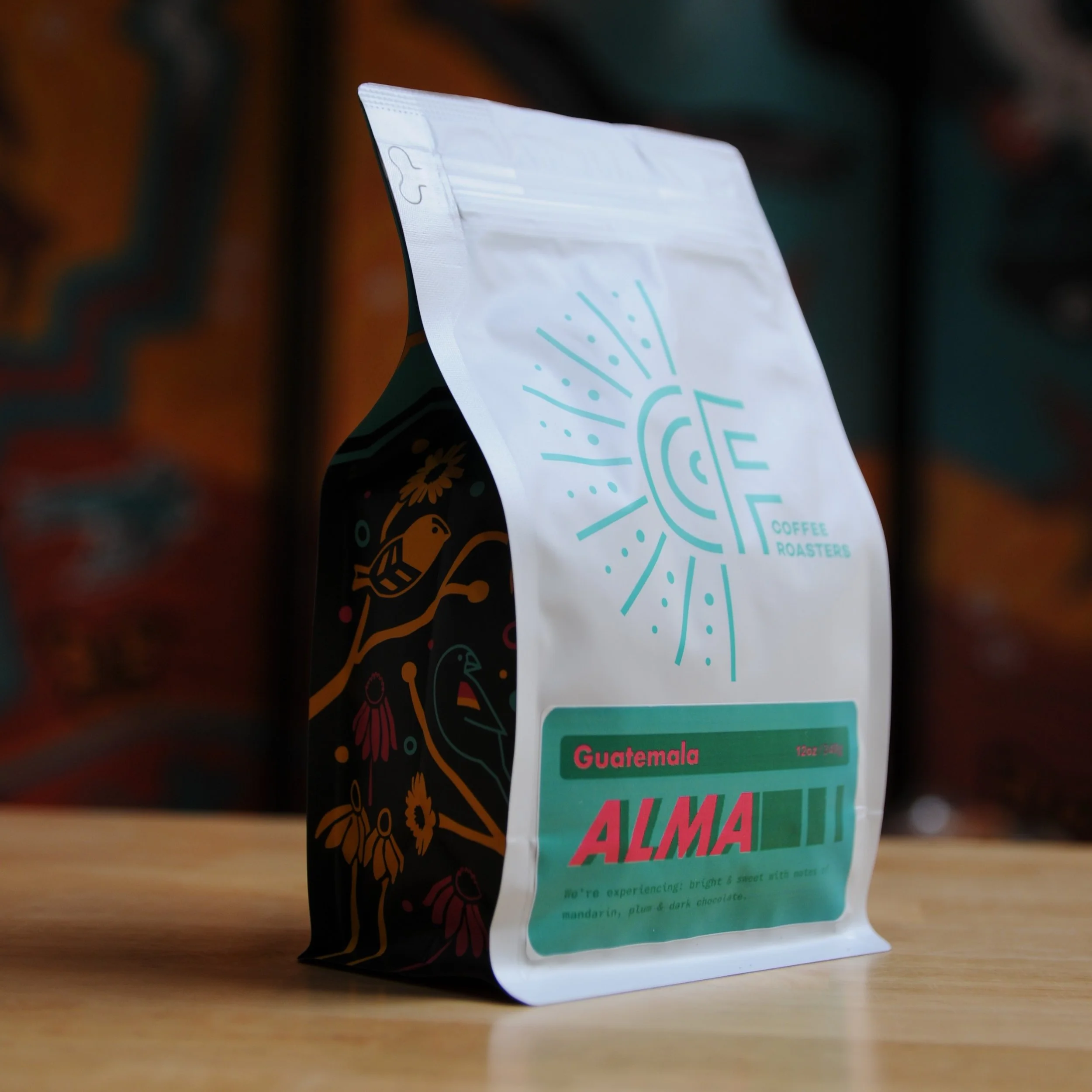
Alma
Guatemala
Alma
Guatemala
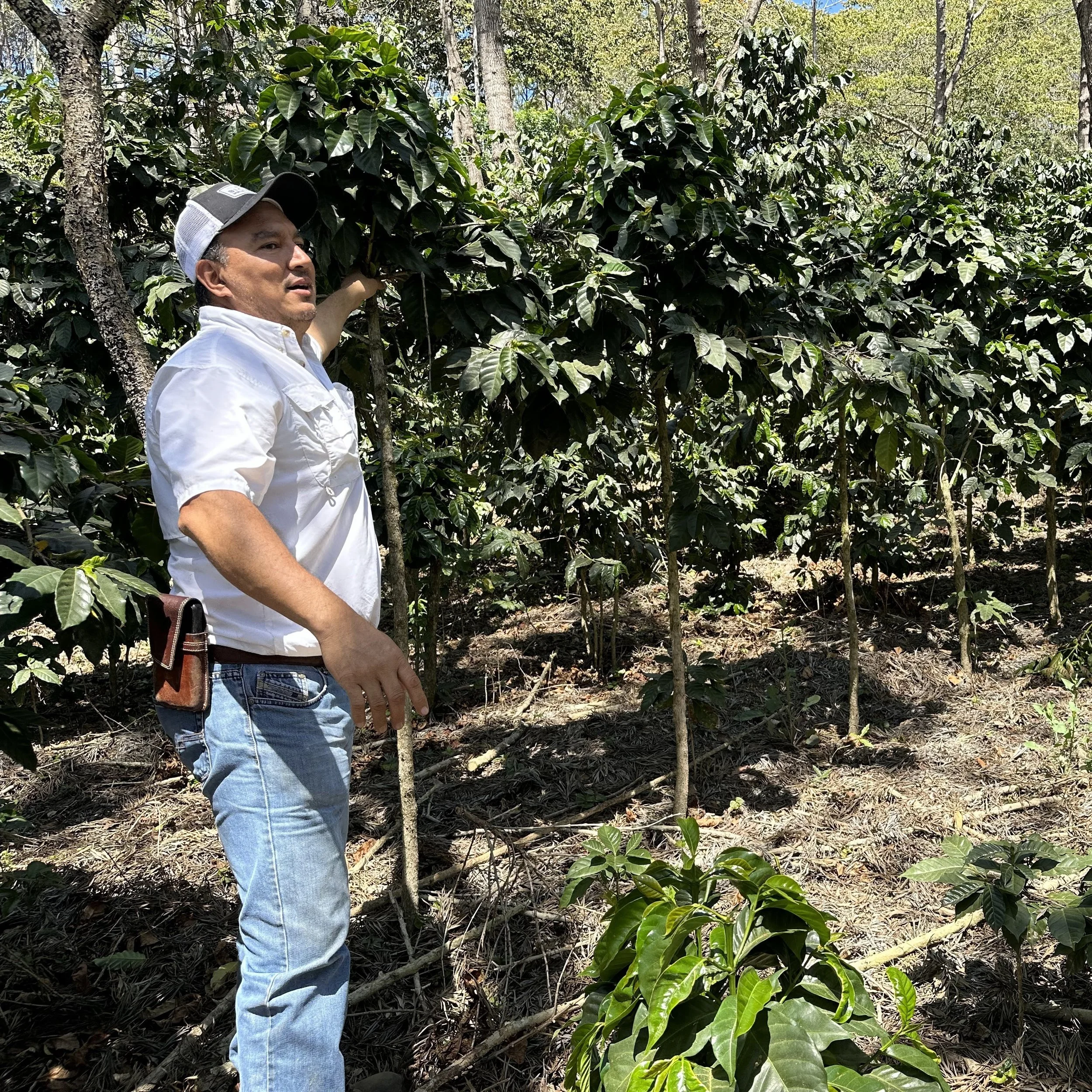
photo courtesy of Onyx Coffee
We’re experiencing: bright & sweet with notes of mandarin, plum & dark chocolate.
Producer: ALMA—Blend Program
Location: Huehuetenango, San Marcos, Nuevo Oriente, 1500-1800masl
Genetic Varieties: Caturra, Bourbon, Pache
Process: Washed
Importing Partner: Onyx Coffee
Onyx Coffee works with vendor partners from Huehuetenango to Nuevo Oriente to create ALMA, which means "Soul" in Spanish. For every pound of ALMA sold, $0.05 goes directly to Onyx’s partners at Habitat for Humanity Guatemala to support their Smokeless Stove Program. These clean stoves impact families for decades by increasing indoor air quality, improving wood-fuel efficiency and decreasing cooking time.—from Onyx Coffee
Fletcher Place Blend
Fletcher Place Blend
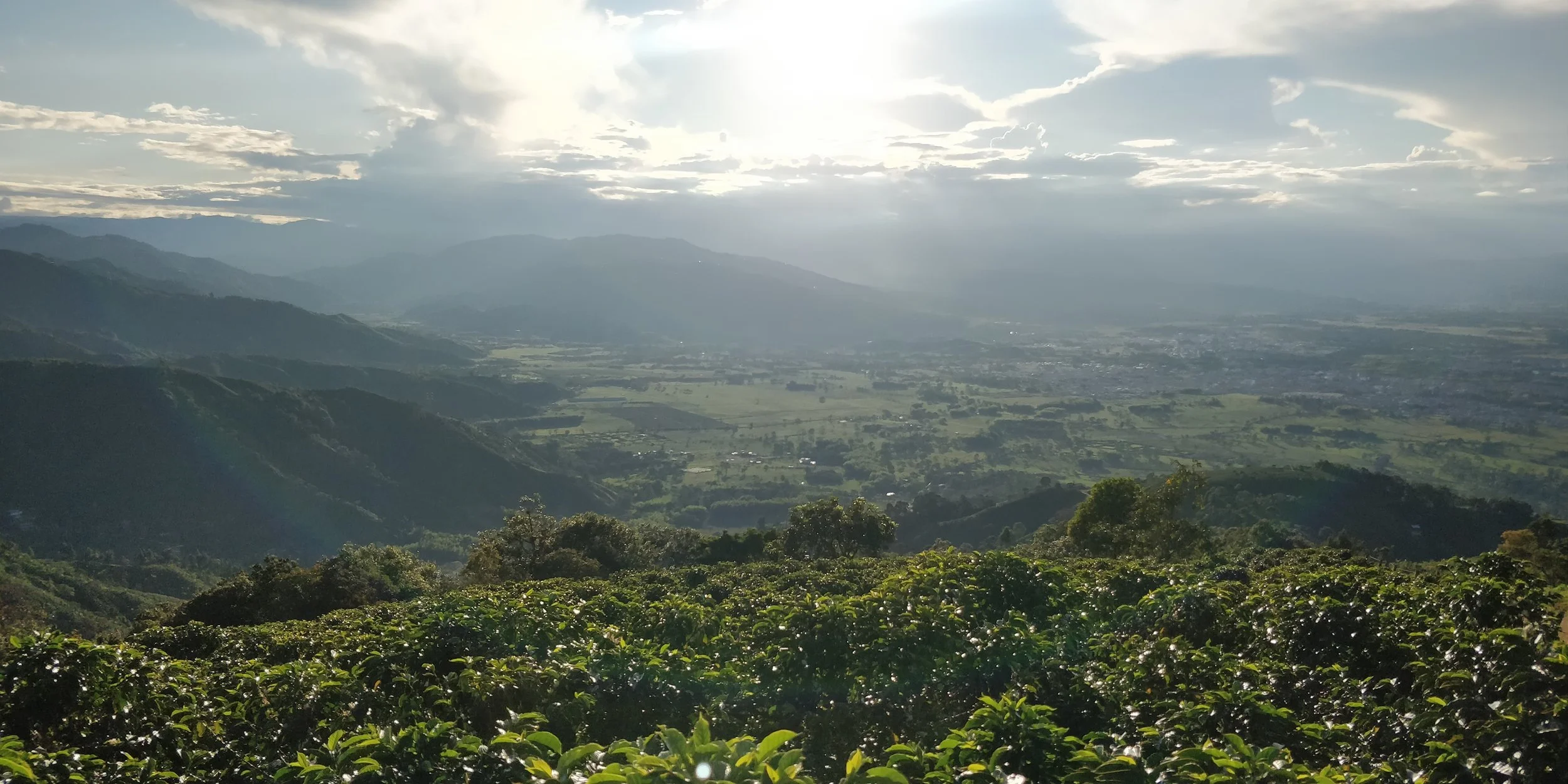
photo courtesy of The Coffee Quest
We’re experiencing: well-rounded & sweet with notes of citrus, walnut, cocoa & molasses.
Location: Colombia, Guatemala & Brazil
Process: Washed & Natural
Importing Partner: The Coffee Quest & Onyx Coffee
Our house blend combines 3 different coffees from 3 different origins. It’s a tasty balance of body and sweetness that works well brewed in many different ways - whether espresso, filter, French press, or cold brew.
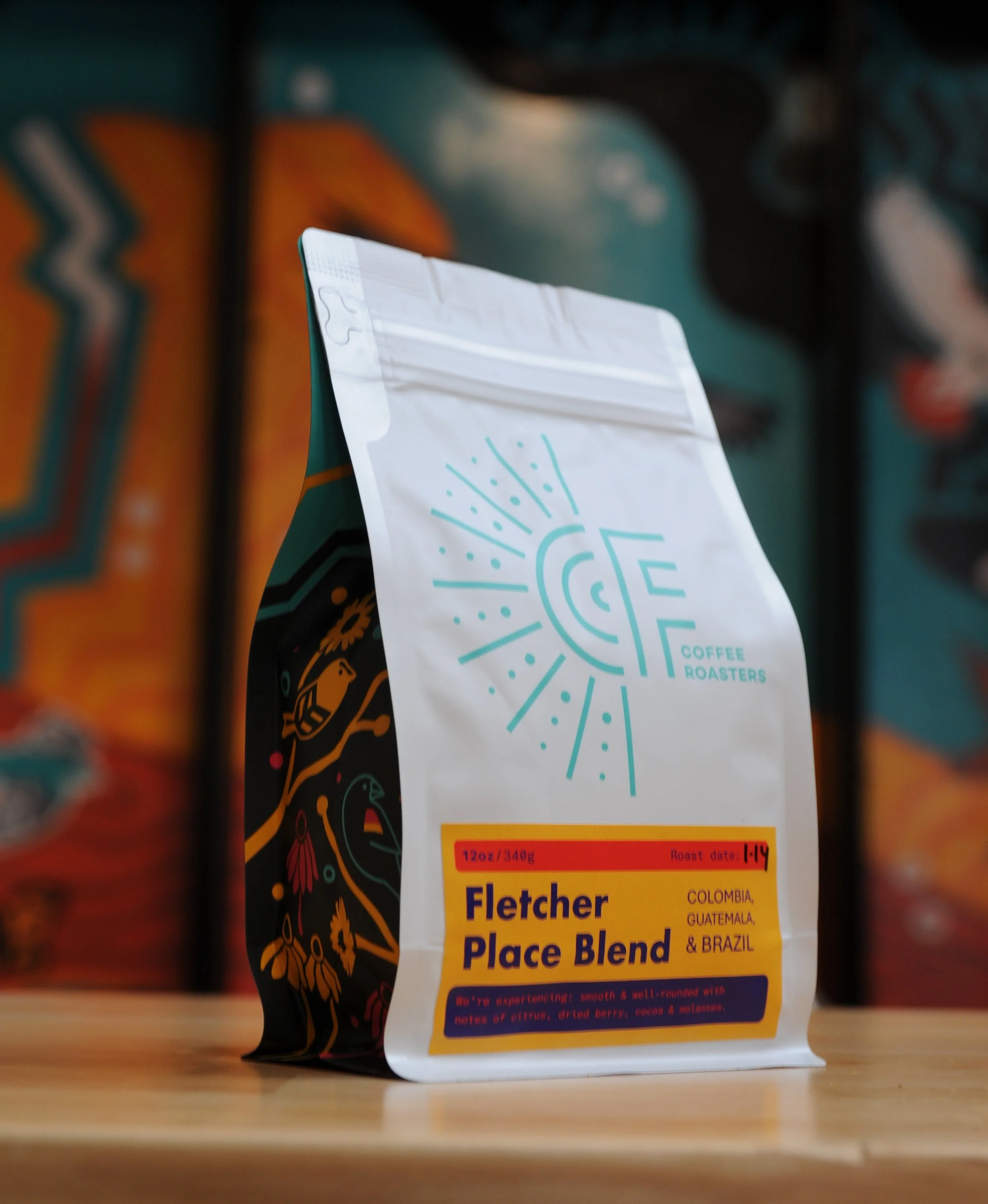
Our house blend combines 3 different coffees from 3 different origins - Colombia, Guatemala & Brazil. It’s a tasty balance of body and sweetness that works well brewed in many different ways - whether espresso, filter, French press, or cold brew.
We’re experiencing: well-rounded & sweet with notes of citrus, almond, cocoa & molasses.
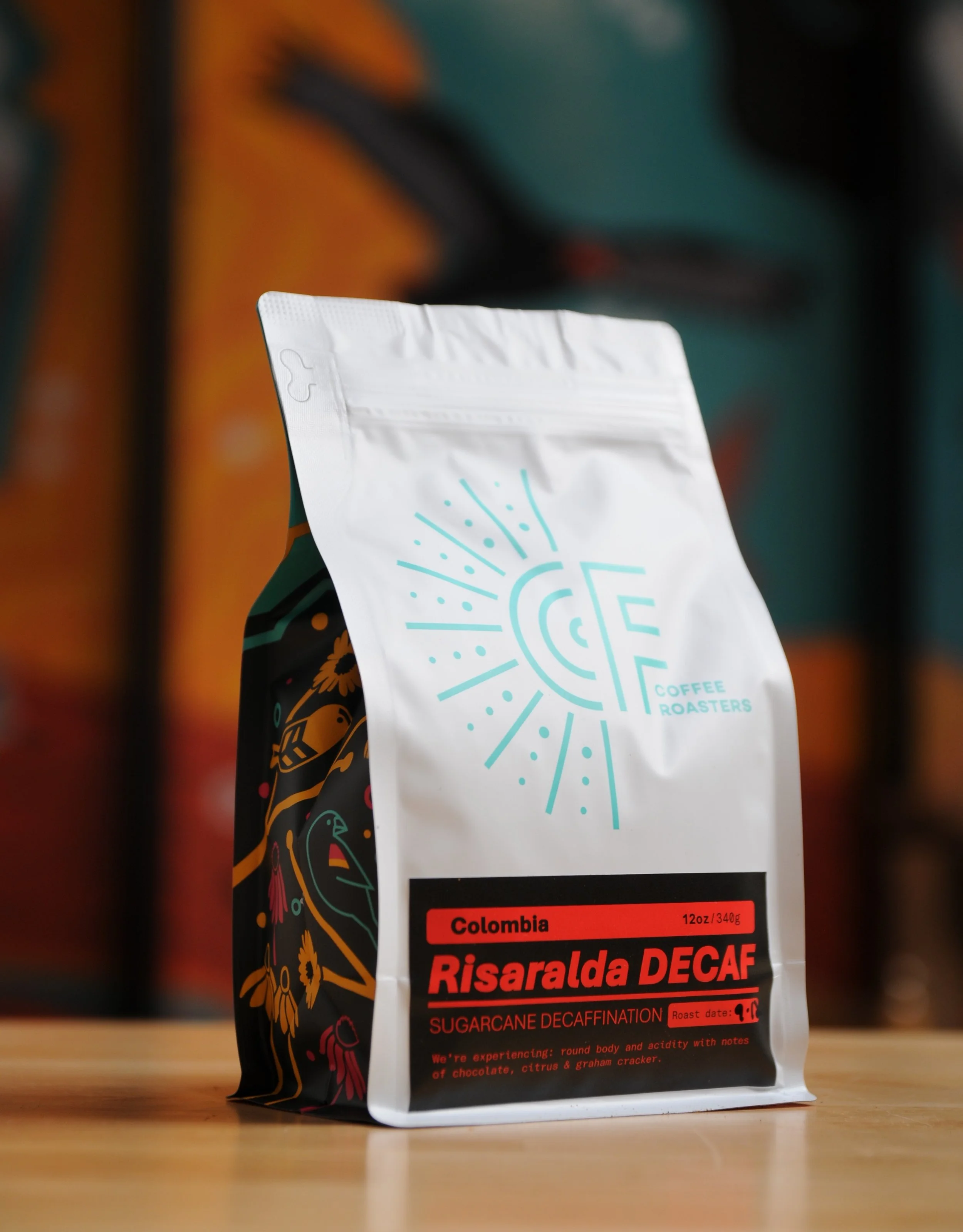
Risaralda Sugarcane DECAF
Colombia
Risaralda Sugarcane DECAF
Colombia
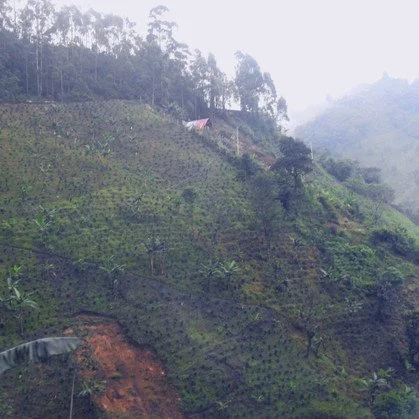
photo courtesy of Cereza Coffee
We’re experiencing: medium body and acidity with notes of dark chocolate, citrus & cherry pie.
Producer: Multiple Smallholders
Location: Risaralda, 1450-1750masl
Genetic Varieties: Caturra, Castillo, Colombia
Process: Sugarcane Decaffeination
Importing Partner: Cereza Coffee